Clean Label, Questionable Contents: What Third-Party Analysis Finds Inside 'Natural' Skincare Products
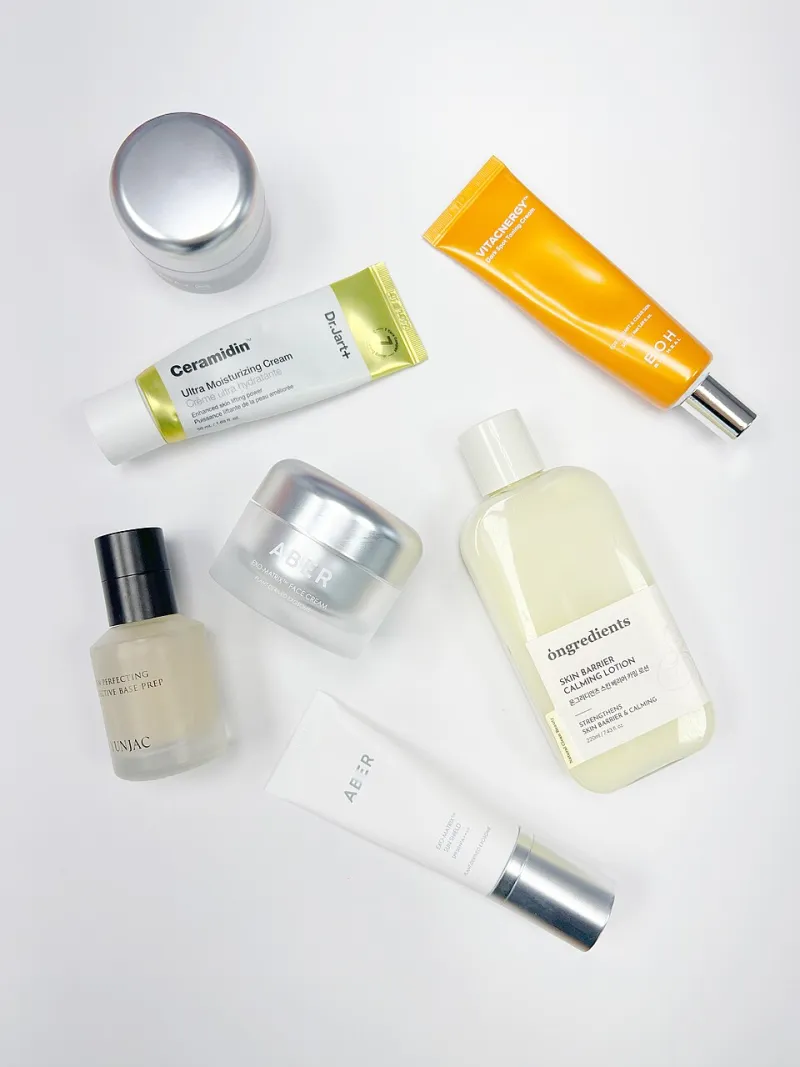
Photo: Jmh65890, CC0, via Wikimedia Commons
When 'Natural' Is a Marketing Term, Not a Scientific Standard
The term 'natural' carries significant commercial weight in the US beauty industry. Market research consistently shows that consumers associate the word with safety, purity, and gentleness on skin. What most consumers do not realize is that 'natural' has no regulatory definition under current FDA guidelines governing cosmetics. Unlike pharmaceutical labeling, which is subject to strict compositional disclosure requirements, cosmetic product labels are governed primarily by the Fair Packaging and Labeling Act—a framework that requires ingredient listing but imposes no independent verification that those listed ingredients are accurate, complete, or free of contaminants.
This regulatory gap creates a meaningful opportunity for discrepancy between what a product claims to be and what it actually contains. Independent laboratory analysis, conducted without commercial interest in the outcome, has repeatedly demonstrated that this discrepancy is not hypothetical. It is measurable, documentable, and in some cases clinically significant.
What Independent Testing Actually Looks For
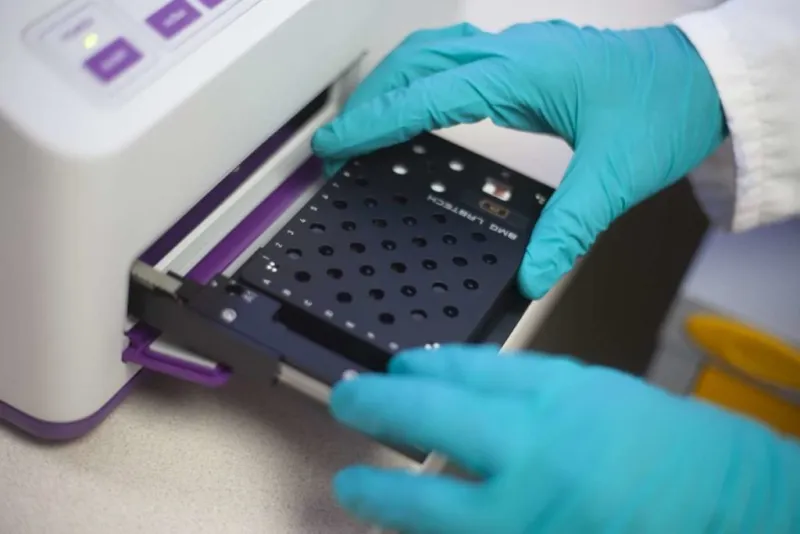
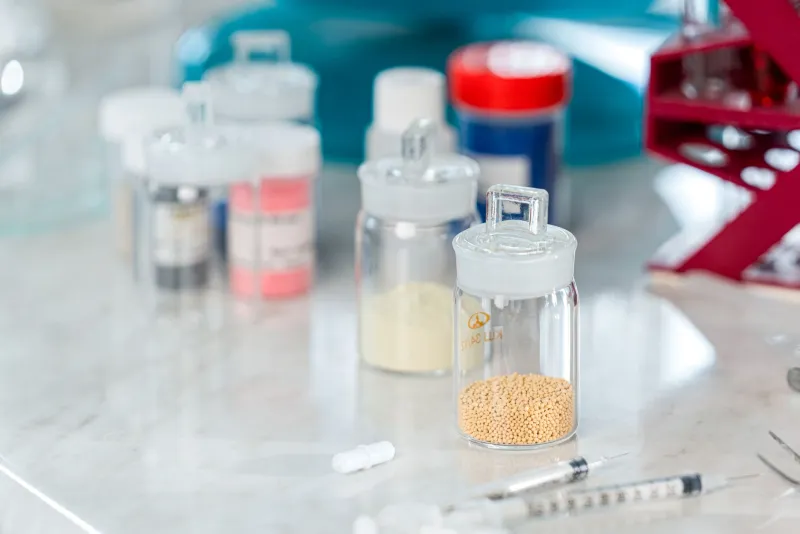
When a cosmetic product is submitted for third-party analytical testing, the scope of analysis extends well beyond a simple ingredient confirmation. A comprehensive evaluation typically includes several distinct categories of inquiry.
Preservative profiling examines whether the product contains synthetic antimicrobial agents—parabens, formaldehyde-releasing compounds such as DMDM hydantoin, phenoxyethanol, or methylisothiazolinone—that may not appear on the label or may appear under obscure chemical synonyms that consumers are unlikely to recognize. Many 'preservative-free' products, when tested, contain detectable concentrations of one or more of these agents.
Allergen screening uses chromatographic techniques to identify fragrance allergens and sensitizing compounds that may be present either as intentional ingredients or as contaminants introduced during manufacturing. The European Union maintains a list of 26 fragrance allergens requiring mandatory disclosure; the US has no equivalent requirement. Products marketed as 'fragrance-free' in the American market may contain fragrance-masking agents that themselves carry sensitization risk.
Microbial burden assessment evaluates total aerobic plate count, yeast and mold counts, and screens for specific pathogens including Pseudomonas aeruginosa, Staphylococcus aureus, Candida albicans, and Escherichia coli. Cosmetics that fail microbial standards represent a direct safety concern, particularly for individuals with compromised skin barriers or immunosuppression.
Heavy metal quantification via inductively coupled plasma mass spectrometry (ICP-MS) detects trace levels of lead, arsenic, cadmium, mercury, and nickel—elements that may enter formulations through contaminated raw botanical ingredients, mineral pigments, or processing equipment.
Case Patterns That Emerge From Systematic Testing
Across independent testing programs conducted on premium 'clean beauty' products sold through major US retail channels, several patterns recur with notable consistency.
One of the most frequently observed findings involves the presence of formaldehyde-releasing preservatives in products explicitly marketed as free of such compounds. These agents are used to extend shelf life and are effective at low concentrations, but they are also among the more common causes of allergic contact dermatitis. When a product label omits these ingredients—whether through formulation error, raw material substitution, or deliberate obfuscation—consumers who have previously reacted to these compounds have no basis for avoidance.
A second recurring pattern involves fragrance contamination in products labeled 'unscented.' Gas chromatography-mass spectrometry (GC-MS) analysis has identified linalool, limonene, geraniol, and eugenol in products bearing no fragrance disclosure. These compounds are naturally derived and may enter formulations through essential oils or botanical extracts that are not individually flagged as fragrance components. Their natural origin does not diminish their allergenic potential.
A third category of findings concerns microbial contamination in water-based botanical formulations. Products containing high proportions of plant hydrosols, aloe vera, or herbal infusions present preservation challenges that some manufacturers underestimate. When preservation systems are inadequate or when post-manufacture contamination occurs, microbial populations can reach concentrations that pose infection risk—particularly in eye-area products and formulations intended for broken or sensitized skin.
Why Dermatologists Often Work Without Complete Information
Clinicians evaluating patients with contact dermatitis or unexplained skin reactivity typically rely on patch testing to identify causative allergens. This process is effective but depends on knowing which allergens to test. When a product contains undisclosed ingredients—whether through labeling inaccuracy, trace contamination, or the use of compound ingredients that mask individual components—the patch test panel may not include the relevant sensitizer.
Dermatologists routinely advise patients to read ingredient labels carefully and avoid known triggers. That guidance is reasonable but operates on the assumption that labels are accurate. When independent testing reveals that a patient's 'hypoallergenic' moisturizer contains a preservative not listed on its packaging, the clinical picture changes substantially. The absence of label transparency is not merely a consumer inconvenience—it is a variable that can complicate diagnosis and delay appropriate treatment.
Some clinicians have begun incorporating third-party testing data into their practice by referring patients to independent laboratory reports on specific products, or by recommending that patients submit products of concern for analysis when reactions are persistent and the causative agent remains unidentified.
The Limits of Brand-Internal Quality Assurance
Many premium skincare brands maintain internal quality assurance programs and conduct finished-product testing prior to market release. The existence of such programs is not in question. What independent testing illuminates is the gap between internal standards and outcomes—a gap that internal programs, by design, may not be positioned to detect.
Internal quality assurance operates within a commercial context. Testing protocols are defined by the brand, conducted by personnel whose employment depends on the brand's commercial success, and evaluated against standards the brand itself has established. This does not imply bad faith. It does, however, introduce structural incentives that third-party testing is specifically designed to eliminate. An independent laboratory has no stake in the outcome of its analysis. Its function is to report what the sample contains, without adjustment for commercial sensitivity.
When independent findings diverge from brand claims—as they periodically do—the divergence is informative precisely because it originates from a disinterested source.
What Consumers and Clinicians Can Do
For consumers seeking greater confidence in their personal care products, third-party certification programs offer one layer of assurance. Organizations such as NSF International and the Environmental Working Group maintain testing and certification frameworks for cosmetics, though coverage across the market remains incomplete.
For products not covered by existing certification programs, independent laboratory submission remains an option. A product sample can be submitted to an accredited analytical laboratory for targeted testing—allergen screening, preservative profiling, or microbial assessment—with results returned in a format suitable for clinical consultation.
For dermatologists and allergists, awareness of the labeling limitations that govern cosmetics in the US market is clinically relevant context. When patient history and patch testing results do not align with expected exposures, undisclosed formulation components warrant consideration.
The beauty industry's shift toward 'clean' positioning reflects genuine consumer demand for safer, more transparent products. Translating that demand into verifiable outcomes, however, requires more than marketing language. It requires the kind of analytical scrutiny that independent laboratory science is equipped to provide—and that the current regulatory environment does not mandate.